This post includes the final version of my final compositon. This piece will be presented in the Great North Museum on May 22nd. When composing this piece I chose to keep all of the audio tracks relatively raw because I wanted to draw
Composition Blog
This blog details my journey through Module MUS2006, Composing for Spaces and Places
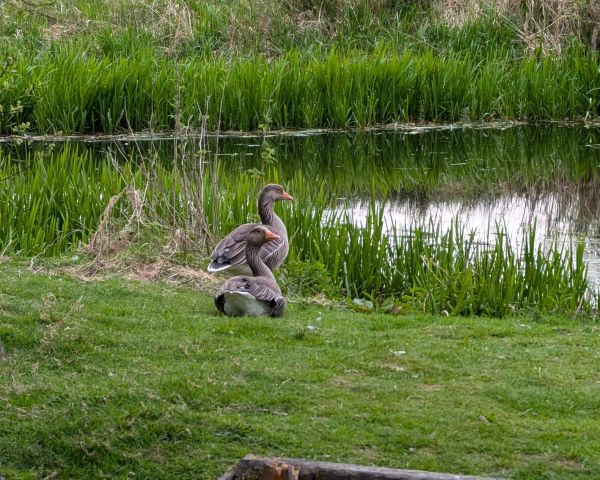
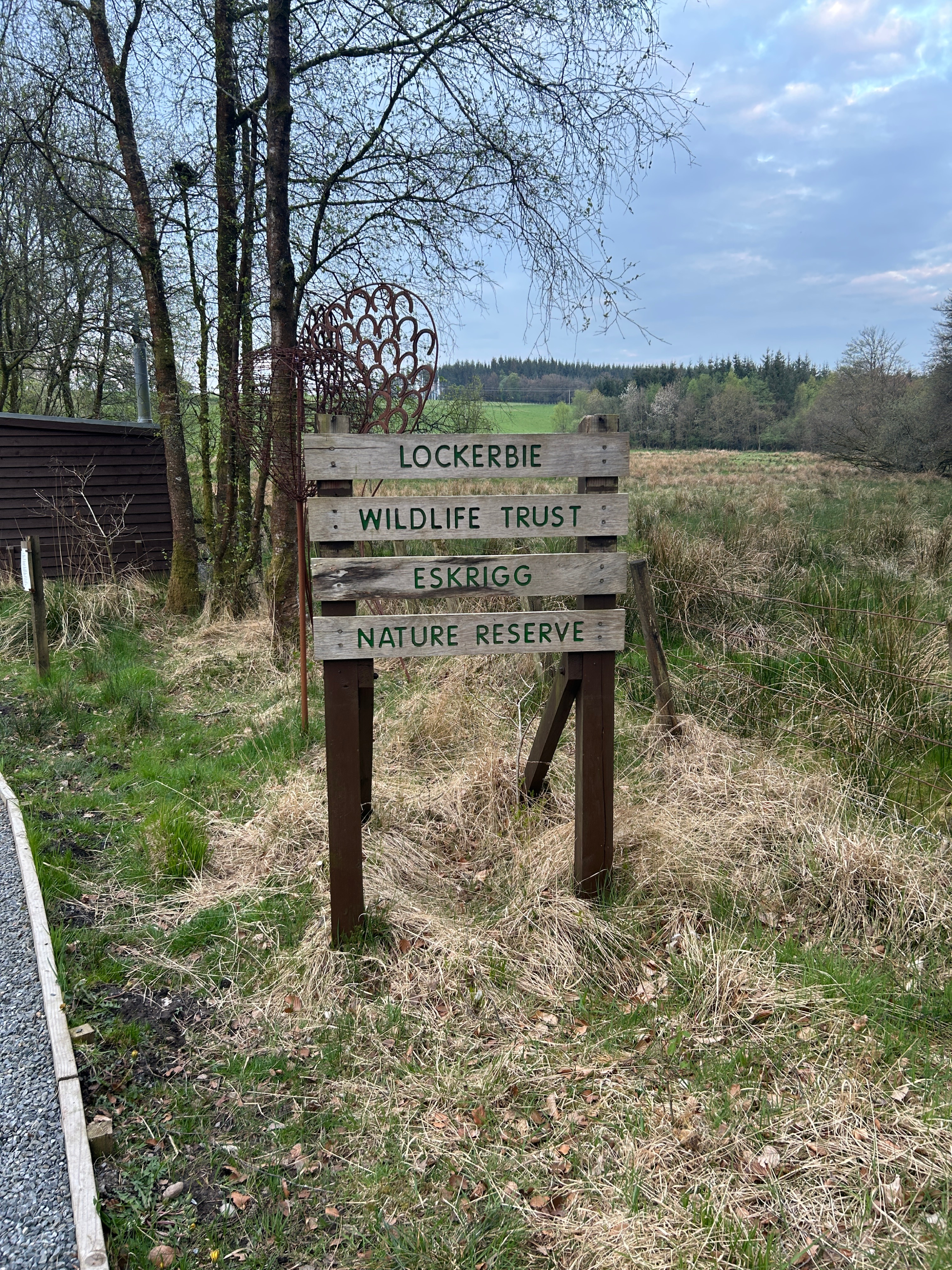
On the 28th of April I visited Eskrigg Reserve to gather the sounds for the evening section of my piece. We visited around 7-9pm, meaning the viewing huts were closed. Despite this, there
To improve upon my first attempt at responding to a space I decided to have a second go at the first composition task. I chose to respond to the same space with vocal melodies that imitate the bird sounds. This time I had two vocalists to represent our surroundings, the birds often have a call and response like chorus. It also allowed us to improvise harmonies
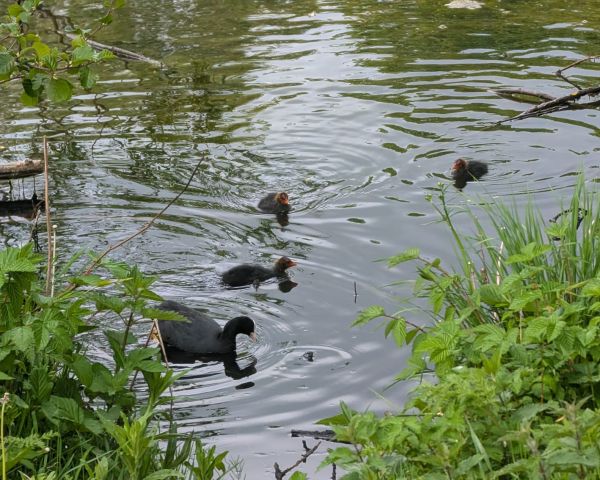
To choose which birds feature during each section, I decided to see which birds appeared more prominent in the recordings I am gathering. So far I have a few good recordings that will feature during my afternoon and evening sections. One of these is the
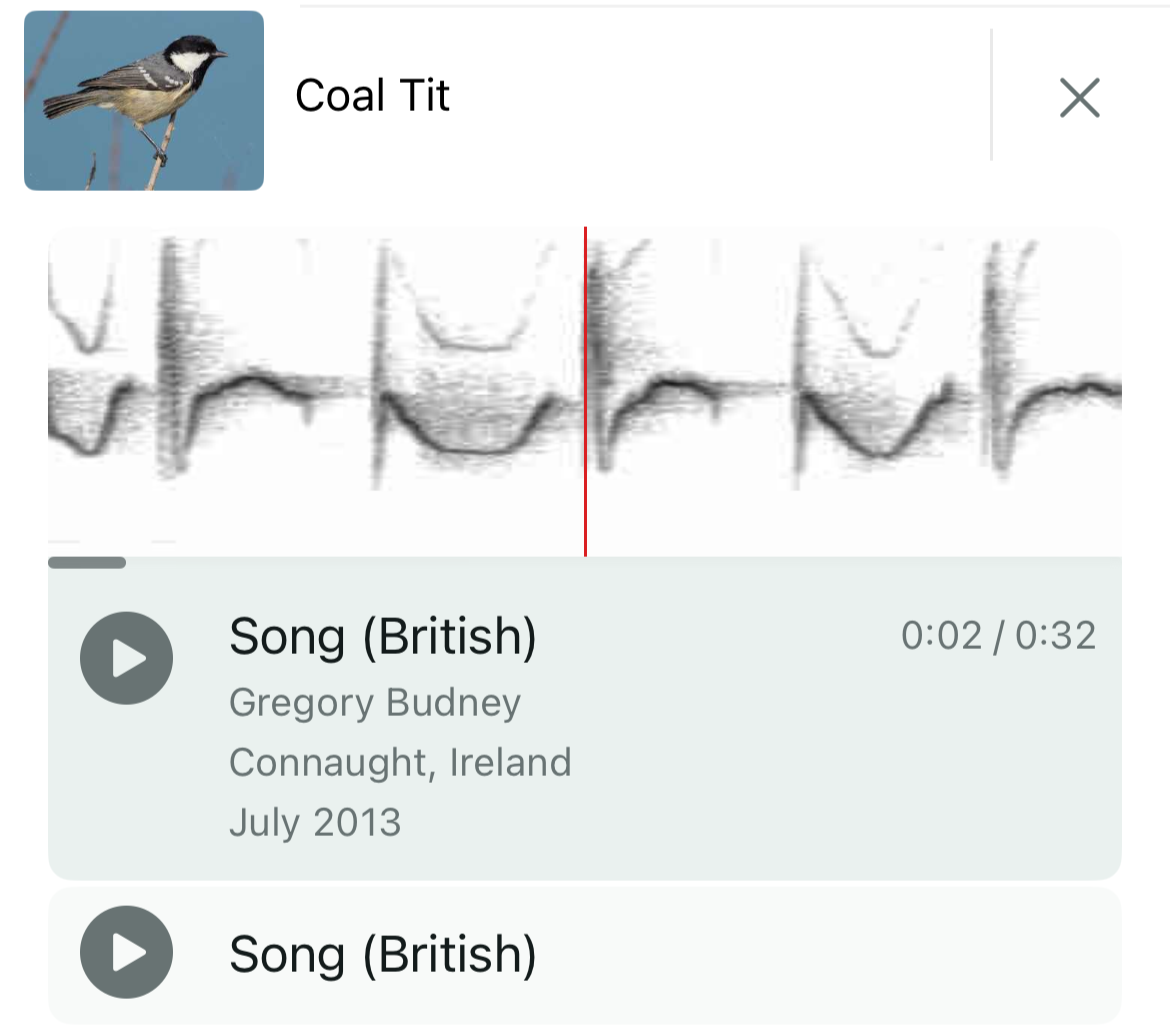
As I have previously mentioned, Merlin, the app I am using to identify birds in my recordings, provides spectrograms for each bird call. I plan to use this to inspire my graphic score that will accompany the final version of my composition.
When researching bird calls I have also been paying attention to the spectrograms that it provides. Bird such as the Eurasian Wren
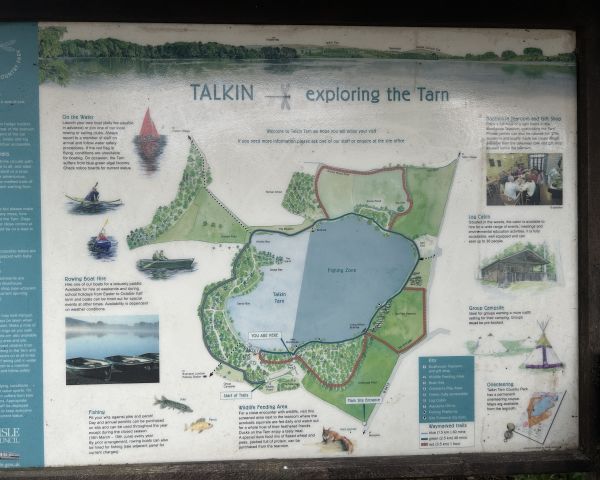
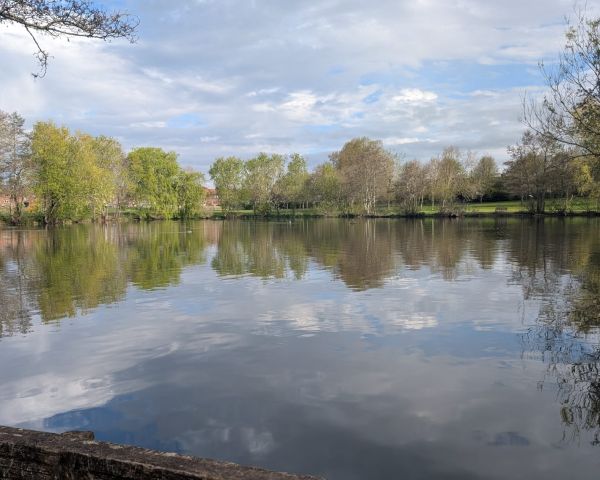
To continue my research into which birds are active and which I would like to include in my final composition, I went on a trip to Talkin Tarn in Brampton, Cumbria. It is a glacial lake that was formed by severe glacial action over 10,000 years ago and is home to plenty of wildlife. During my visit there were a lot of children and families around, so I chose some of the less populated footpaths to get my recordings.
This is the final version of my second composition. This brief included looking at the concept of music concrete and use sounds that are not usual musical sounds. I initially made three small snippets when choosing what sounds I would like to use for my composition. These were running water, kitchen sounds, and door noises. I chose to go with the running water because I had an idea on how to structure my piece, as this was something
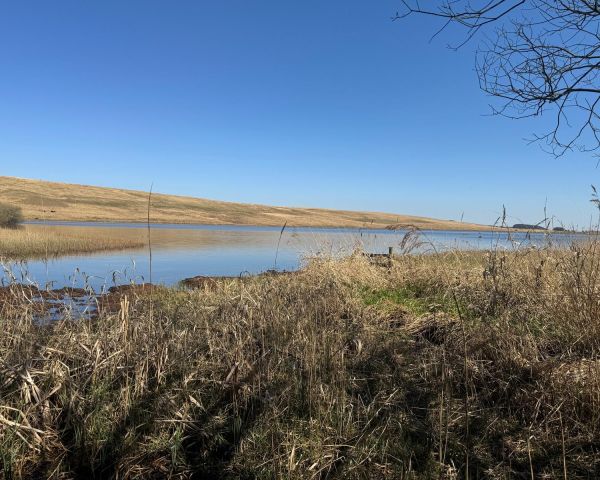
To gather an understanding of which birds are active at this time of year I took a trip to the RSPB location in Geltsdale. The photo you can see above is the view from a bird hutch where I recorded some sounds for just over 10 minutes and heard an impressive range of birds, some I had not heard of before. For my final composition, I intend to include recordings from morning, afternoon, and evening; the sound clip I have uploaded would count for the afternoon as it was recorded at 12:26pm, on my phone.
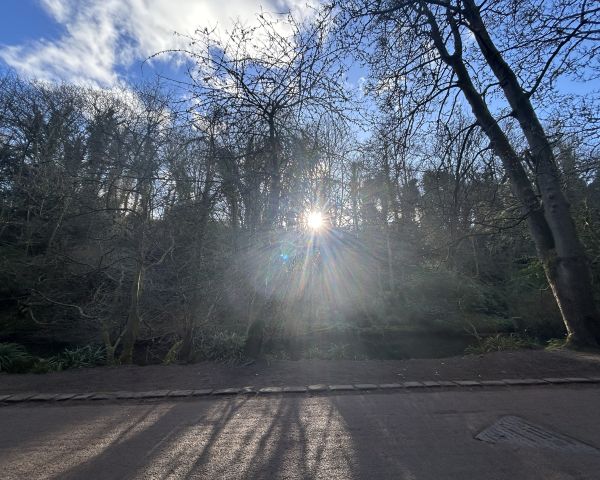
As the time to present my final composition grows closer I have been finalising ideas on what my composition will be.
I still intend to write my piece about the Natural Northumbria section of the Hancock Museum and I am still considering focusing on one display case. However, I am also considering having a few birds as the focus, particularly the great tit
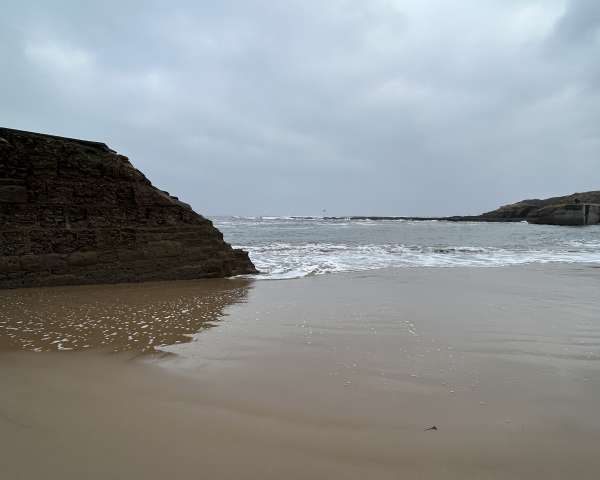
For my second composition I have chosen to use different sources of water as my inspiration. I have recorded sound from varying taps, waves at the beach, and rivers and waterfalls. I knew that after my first composition I should consider the structure of my pieces more and I am using the different sources as different sections. I am not settled on the final structure, however, I will use the A B structure overall.
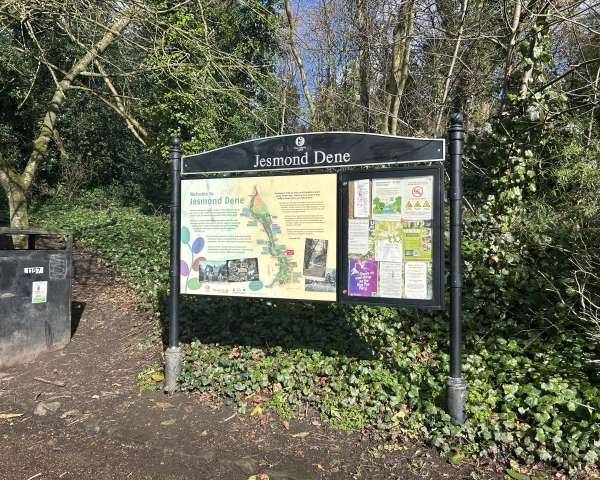
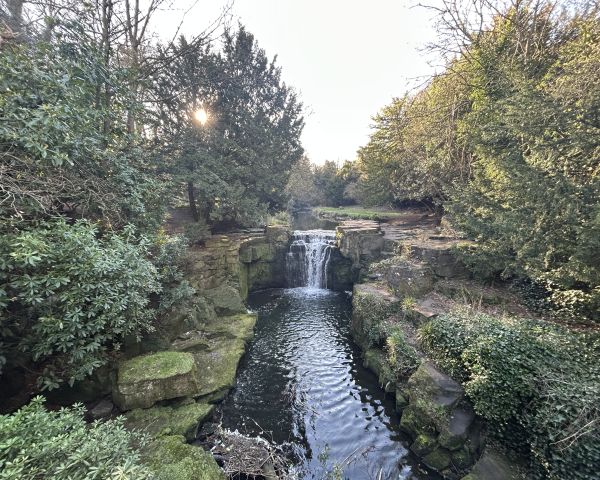
Listen to my composition here Your browser does not support the audio element. I chose to do my first composition in Jesmond Dene, a public park with differing soundscapes to respond to. The park was made a public space in the 19th century, after being a private estate prior to this. There is a play park, a small petting zoo, forest spaces, and a waterfall within the park. On my walk through the park I could hear sounds from bird songs to the water flowing in the waterfall.
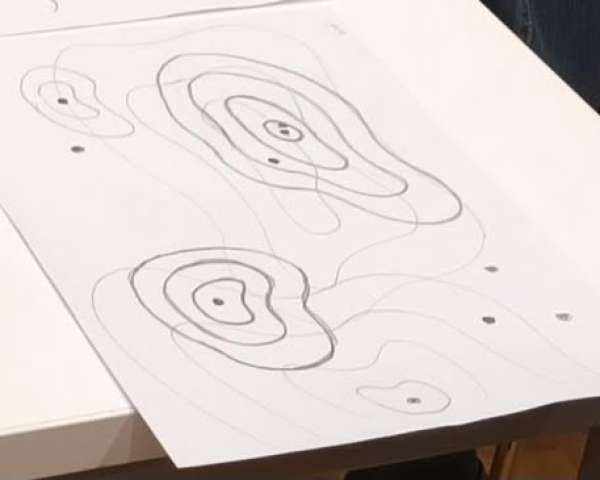
In our session, which took place on Monday 19th of February, we worked alongside students studying architecture to explore sounding spaces. We were tasked with choosing a space around campus and explore it through listening, recording the interesting sounds that we heard. We had to use these sounds to create an art experience, a piece of art that reflects the listening experience. This could be through notating the sounds, a graphic score or even a written paragraph about your memories.